One of my late father-in-law’s favorite sayings was: There’s always the unexpected. No matter how carefully our plans are laid out, or how much we might want a particular thing to happen, or not, the possibility that something unforeseen will derail our wishes is ever-present. Most people, including me, find this fact unsettling. Knowing what’s likely to happen in a given situation is comforting, while change, even when expected, often provokes fear and uncertainty.
But change can also bring fortune to those who choose to embrace it. Losing a predictable but dead-end job creates an opportunity to land a better role at a different company, or perhaps to change careers or start a business. Ending an unhappy relationship with a spouse or partner makes it possible to start over again with someone new.
Anyone familiar with tarot cards knows that the Death card, which depicts the Grim Reaper riding a horse over the deceased body of a king, rarely implies physical death. When this card shows up in a reading, it usually signifies a significant and often abrupt ending of some kind. This change will likely be difficult, but will hopefully foster the self-awareness needed to pull oneself together and start again, armed with wisdom gained from experience. The king on the card implies that no one is exempt from Death’s whims: It’s far better to roll with the punches and learn how to regroup than to wallow in self-pity.
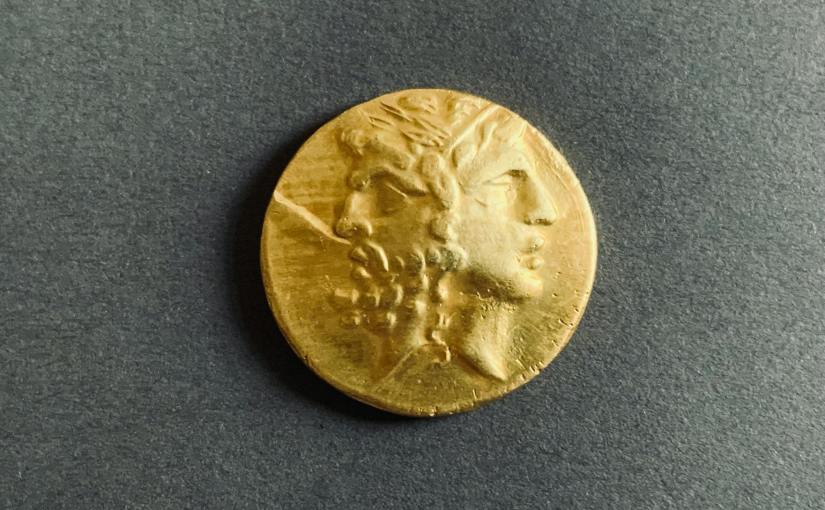
The ancient Roman god, Janus, has two faces. One looks forward into the future, the other, backward toward the past. He is the god of beginnings and endings, the god of change. Janus rules thresholds, gates, and doorways. He is present when someone is born, when someone dies, and during transitional events, such as weddings and graduations. The month of January is named for him.
Janus was the only Roman god without a Greek counterpart. And to the Romans, he was the most powerful god of all. He was fate’s doorkeeper, and they did everything in their power to gain his favor. On New Year’s Day, the Romans were careful not to say anything derogatory about another person. They offered sweets and gifts of coins to strangers, abstained from foul language, and performed good deeds in hope of creating conditions that would encourage luck and prosperity in the coming year.
Change has been rampant and unforgiving over the last several years. The COVID-19 pandemic was the most significant interrupter in modern times, upending jobs and marriages, travel plans, and the trajectory of nearly everyone’s lives. Currently, we in the United States are living with an unprecedented amount of uncertainty, never knowing what the fascist regime that controls our government will do from one day to the next, or how its whims will affect our lives.
In September 2020, my mother died after losing a short but brutal battle with lung cancer. In 2021, my adult daughter moved out of the house into a home of her own. Over a four-month period in 2022, I lost three of my close friends to cancer as well. My father-in-law died suddenly of heart failure in 2023.
These events have been heartbreaking and difficult, but most of them have led to positive new beginnings. After losing so many people to cancer, I have made it a priority to take better care of myself physically and mentally. I make time to do things I enjoy. I have been trying to socialize and travel more often, and have given up caring about anyone else’s opinions about what I do or don’t do. My relationship with my daughter has evolved and grown stronger, and after years of mourning my mother, my stepfather is now in a relationship with a wonderful woman who is a perfect fit for him.
We’re entering Janus’ season. In just a few short weeks, 2025 will be over. There’s no way of knowing what will happen in the year to come, but here’s to hoping the God of Doors will look upon all of us with kindness.
ENP

 Emilie-Noelle Provost